Breathe Easy: Spa-Calm Bathrooms Shaped by Quiet, Refined Details

Today, we explore designing spa-calm bathrooms with refined, quiet details, turning daily routines into restorative rituals grounded in sensory balance, tactility, and considered alignment. Expect ideas you can use immediately, from light quality to storage clarity, plus small adjustments that feel surprisingly luxurious. Share what calms you most—subtle scent, a soft light, or a perfectly placed shelf—and subscribe for more restorative design guides you can put into practice with confidence.

Sensory Foundations: Light, Sound, and Scent in Harmony

A spa-calm bathroom begins with a sensorial score, where light, sound, and scent combine to lower heart rate and quiet thought. Warm-dim lighting supports circadian rhythm, soft acoustics dissolve sharp echoes, and natural aromas ground the space without overwhelming it. In one small apartment, a warm-dim switch rewired evenings entirely, making a five-minute skincare routine feel like a slow exhale after a long day’s noise and glare outside.

Layered Natural and Warm-Dim Lighting
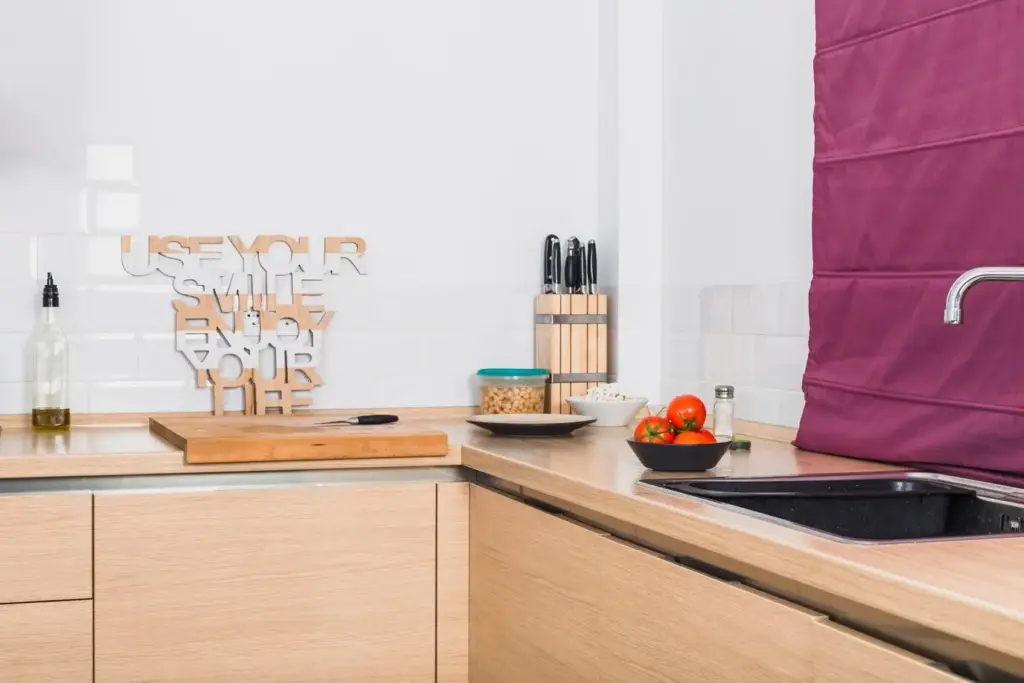
Blend daylight with layered artificial sources to keep rhythms gentle and tasks simple. Use high-CRI, warm-dim fixtures that fall from 2700K to around 2200K at night, minimizing blue spike. Add a soft backlit mirror and a low-level night path to avoid harsh switching. Try a wall washer to calm texture, not spotlight it. Aim for beam spreads that avoid harsh scallops and avoid glossy reflectance that feels clinical or restless.

Softened Acoustics with Thoughtful Surfaces

Hard surfaces amplify splash and conversation, so orchestrate materials that soften without looking heavy. Choose micro-textured tile, wood accents, linen window treatments, and bath mats with a plush but quick-drying pile. Consider a ceiling with acoustic plaster or panels rated for humidity. Fans with low sones ratings quietly move air without a mechanical drone. The result feels like stepping into a private library where water speaks softly and stress doesn’t echo.

Material Palette: Tactile Calm Without Glossy Distractions

Choose materials that are quiet to the eye and kind to the hand. Honed stone, limewash, tadelakt, and soft-grained woods offer warmth and subtle variation that invite touch without asking for attention. Low-sheen finishes reduce visual noise, while slip-resistant textures provide assurance underfoot. In one remodel, replacing a slick porcelain tile with honed limestone changed everything—the room felt warmer, footsteps slowed, and morning light draped across the floor like fabric instead of glass.

Honed Stone, Micro-Textures, and Grip Underfoot

Look for honed or matte finishes with micro-texture, delivering traction without a gritty look. Consider limestone, terrazzo with fine aggregate, or porcelain with subtle relief. Match grout tones carefully to keep the eye from bouncing across the floor. Run stone baseboards to simplify cleaning and visually tuck edges. Specify sealed surfaces appropriate for wet zones, and test samples with water to understand darkening, sheen changes, and the feel of texture beneath bare feet.

Wood Warmth that Endures Moisture

Introduce wood where it can breathe: vanities, shelving, ceiling slats, or paneling away from direct spray. Choose species like teak, white oak, or cedar, finished with low-VOC oils that enhance grain without plastic shine. Soft radii at corners feel inviting and are kinder to towels and hands. Ventilate well, leave expansion gaps, and detail drip edges thoughtfully. The right wood softens clinical tones instantly, turning storage into furniture rather than fixtures.

Metal Finishes that Whisper, Not Shout

Brushed nickel, satin brass, and PVD-coated stainless maintain composure under humidity and cleaning. Avoid mirror-polished metals that sparkle under strong light and feel busy. Coordinate finishes across taps, pulls, and drains for coherence, but allow a single accent—perhaps unlacquered brass on a hook—to age gracefully. Test touchpoints for temperature and texture; cool, smooth metals benefit from adjacency to warmer materials so the overall impression remains balanced and quietly welcoming.

Color Psychology: Muted Tones that Quiet the Mind

Color sets the emotional temperature. Muted neutrals, desaturated greens, gentle clay, and soft blues nudge the nervous system into rest. Pay attention to undertones and light reflectance values to avoid surprises at night. A gray with a hidden purple cast can hum uncomfortably under warm bulbs. Create depth with layered tones rather than sharp contrasts. The goal is not monotony but a hush—like fog on water—where your breathing naturally slows without instruction.

01

Reading Undertones in Real Light

Paint large samples on boards and move them through the room across day and night. Compare against a true white to reveal undertones. Observe how tile, grout, and stone shift the perception of the paint. Warm bulbs can skew cool grays green; north light can flatten beiges. Choose two or three related tones, stepping lighter on ceilings for lift and slightly darker on cabinetry for grounded calm that still feels airy and measured.

02

Layering Neutrals with Organic Accents

Create harmony through a base of soft neutrals, then add organic accents that feel discovered, not staged: a woven stool, a clay vessel, a linen curtain, or a pale green hand towel. These accents should echo nature’s palette, never shouting for attention. Keep saturation restrained so transitions remain gentle. This is how a small bathroom gains character—through texture, patina, and subtle contrast that reward a second glance without breaking the room’s whisper-soft mood.

03

Reserving Contrast for Gentle Focus

Let contrast guide the eye instead of jolting it. A slightly darker floor grounds the room, while a lighter wall color lifts steam like morning mist. Use thin, dark lines sparingly—perhaps a slim metal shelf or a linear drain—to define planes quietly. Keep grout slightly tonal, not stark. The calmest spaces embrace nuance, where differences are intentional but never loud, creating a soft visual rhythm that invites lingering and slow, restorative routines.

Water as Experience: Rituals for Bath and Shower

Water can be therapeutic when flow, temperature, pressure, and sound are tuned like instruments. Deep soaking tubs cradle the body; rainfall paired with a handheld keeps versatility high. Steam, if included, needs robust ventilation and insulation to feel enveloping, not oppressive. In one cottage, aligning the tub with a small window offered a view of sky only—privacy intact—so evening soaks became a stargazing ritual that anchored busy weeks with quiet wonder.

Soak-Worthy Tub Ergonomics and Placement

Choose a tub with a supportive back angle, a gentle interior radius, and enough depth to submerge shoulders without wasting water. Test sitting positions if possible; comfort can’t be assumed from dimensions alone. Position the filler to avoid knees and ankles. Provide a stable perch for tea, candle, or book within reach. Coordinate window heights for privacy while inviting sky or tree canopies, and ensure anti-slip finishes around the landing zone for graceful exits.

Shower Zoning, Steam, and Drain Strategy

Zone showers with a primary spray, a handheld for rinse and cleaning, and optional body jets if pressure allows. For steam, fully enclose with a transom and slope ceilings to prevent drips. Specify an exhaust cycle that clears condensation afterward. Linear drains along the wall reduce visual clutter and enhance accessibility. Place niches outside direct spray or add a slight shelf lip to shield bottles. The water’s choreography should feel intuitive, not busy.

Thermostatic Controls and Safe Temperatures

Thermostatic valves hold steady temperature even when other fixtures run, preventing jolts that break relaxation. Set a safe maximum limit during installation and calibrate with a thermometer, not guesswork. Group controls within easy reach to avoid stretching into cold spray. Clear iconography or tactile knobs help sleepy mornings. Consider anti-scald devices and pressure-balancing where codes require. In the quietest experiences, safety is invisible because it is perfectly planned from the first drawing.

Clutter-Free Ease: Storage that Disappears into the Architecture

Vanity Interiors that Organize Without Noise

Design drawers for tasks, not categories. A shallow top drawer with dividers handles brushes, balms, and daily skincare. Deeper drawers manage towels and bottles upright to avoid leaks. Add motion-sensor lighting so you avoid harsh overheads at dawn. Consider integrated outlets and a heat-safe compartment for styling tools. Use soft-close hardware to prevent slams. When interiors are specific and calm, countertops stay clear, and the whole room feels meticulously but effortlessly composed.

Niches, Ledges, and Recesses in Wet Zones

Carve storage into walls where structure allows: a horizontal ledge along the shower wall or a deep niche with a slight fall to shed water. Line niches with the same stone for continuity or a subtle accent for legibility. Keep bottles label-out if you love them, or store decanted essentials in neutral containers. Add a low shaving niche to spare ankles and knees. These discreet cavities make routines smooth and surfaces restful.

Daily Ritual Stations that Set Tomorrow Up

Create small stations for repeating rituals: a tray for evening skincare, a hook for a robe near warm air, and a basket for fresh towels within reach of the tub. Label nothing; clarity comes from proximity and repetition. Keep a small vase or candle only if it earns the space through joy. Prepare the night before, and mornings stop feeling like triage. Share your ritual station ideas, and we’ll feature the most inventive, calming setups.

Quiet Refinement in the Smallest Alignments

True tranquility lives in details you barely notice: grout grid alignment with fixtures, a three-millimeter reveal that casts a soft shadow, outlet placement outside mirrored sightlines, and caulk color tuned to tile. These alignments remove visual friction, making the mind stop scanning for errors. During one renovation, aligning a shower mixer with a grout joint transformed the whole wall; the eye glided rather than tripped, and the space felt immediately composed.

Tile Patterns, Grout Harmony, and Edge Profiles

Map tile layouts before construction, centering patterns on key views like the vanity or tub. Align verticals with fixtures and drains. Choose grout that whispers—one or two steps from tile color—to avoid a busy grid. Use bullnose, metal schluter, or mitered stone edges deliberately, never mixing casually. Keep joints consistent, and run movement joints where they belong. These decisions rarely get compliments, yet they form the quiet backbone of visual serenity.

Hardware Feel, Soft-Close, and Door Quiet

Test hardware in your hands. Levers should turn with a satisfying, soft resistance; drawers should close with a hush, not a thud. Choose seals that prevent rattles and hinges that don’t squeal under humidity. Add felt pads beneath small accessories to avoid ticking sounds on stone. These micro-gestures accumulate into calm, transforming the room into a sanctuary where every interaction is gentle, precise, and surprisingly reassuring, even on the most hurried mornings.

Lighting Controls, Outlets, and Visual Silence

Locate dimmers where your hand naturally reaches without crossing in front of mirrors. Group controls cleanly, label discreetly, and use matching plates that blend with wall color. Keep outlets inside cabinets where code allows for toothbrushes and appliances. Install a night scene at ultra-low levels for safe, sleepy navigation. Plan for redundancy without clutter, ensuring access stays intuitive. When controls disappear, rituals emerge, and the room feels designed for you rather than for display.

Wellness Technology that Stays Discreet

Technology can support restoration when it fades into the background. Radiant floors warm feet without visual bulk, humidity sensors run fans at just-enough levels, and smart mirrors offer soft backlighting rather than information overload. Hidden speakers play gentle ambient tracks, not stadium sound. In a recent project, a simple circadian lighting schedule reduced late-night scrolling and helped the household wind down sooner. The best tech is felt, not flaunted, and quietly improves every day.
Repihoteratoxolona
Privacy Overview

This website uses cookies so that we can provide you with the best user experience possible. Cookie information is stored in your browser and performs functions such as recognising you when you return to our website and helping our team to understand which sections of the website you find most interesting and useful.